Most software makes you faster. AI workers make you bigger.
That's the distinction almost everyone misses. Better software has always been about speed — faster search, faster spreadsheets, faster communication. You still did the work; you just did it quicker. But there's a ceiling to that model. At some point, the bottleneck isn't how fast you work. It's how many things you can work on at once.
AI workers break that ceiling.
What is an AI worker?
An AI worker is exactly what it sounds like: a piece of software that does the work of an employee, end to end.
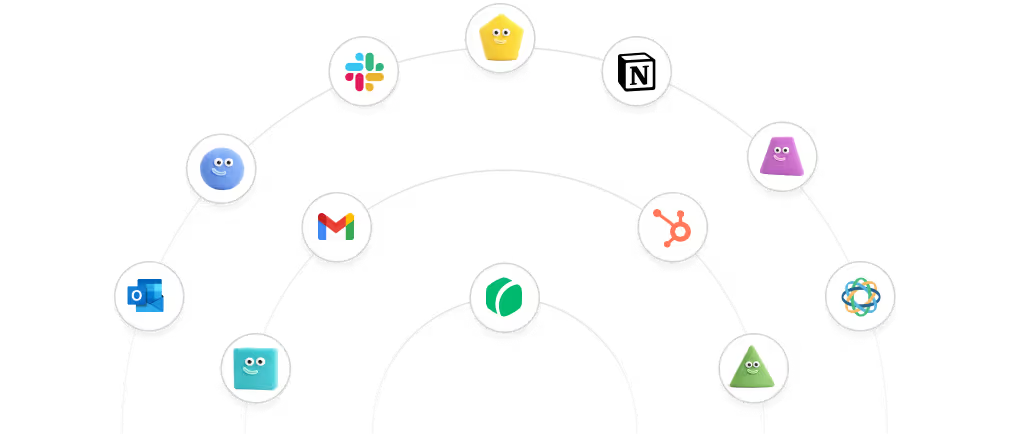
Not a chatbot. Not a copilot. Not a thing you prompt and then edit. An AI worker receives a goal, figures out what needs to happen, executes it across the tools your business already uses, and reports back. It operates continuously. It doesn't forget context. It doesn't need a manager.
The right mental model isn't "software that helps you work." It's "a colleague who handles an entire function."
The reason this is now possible is that AI got good enough to reason — not just predict. Today's models can look at a half-finished situation, decide what's missing, call the right tools to fill the gap, and then move on to the next step. That's genuinely new. It's the thing that was missing for the last decade of automation attempts.
Why is this radical?
Here's the thing about hiring: it doesn't scale linearly. You can't hire 50 people to do 50x the work. You hire 5, because coordination costs eat the rest.
AI workers don't have this problem. They don't need onboarding. They don't have bad weeks. They don't generate management overhead. You can deploy ten of them for the cost of one junior hire, and they will each do more focused, consistent work than any junior hire would in their first six months.
This doesn't mean people stop mattering. The opposite — when AI workers absorb the repetitive execution layer, the humans on your team stop spending 60% of their time on coordination and start spending it on judgment. That's a dramatically better allocation.
The companies that figure this out first will have an unfair advantage that compounds. Not because they have better strategy. Because they have more capacity at a lower base cost.
The first AI workers from Zams
We spent a long time thinking about where AI workers would create the most immediate, measurable value. The answer kept coming back to the same bottleneck: information that exists but never gets to the person who needs it, right before the moment they need it.
Sales teams spend hours researching before calls. Account managers scramble to understand a customer before a renewal. Executives walk into board meetings with stale data.
Every one of those failures is the same failure: the right information wasn't surfaced, at the right time, to the right person. Not because it didn't exist — it did. Because no one had time to go find it.
That's the problem we're starting with.

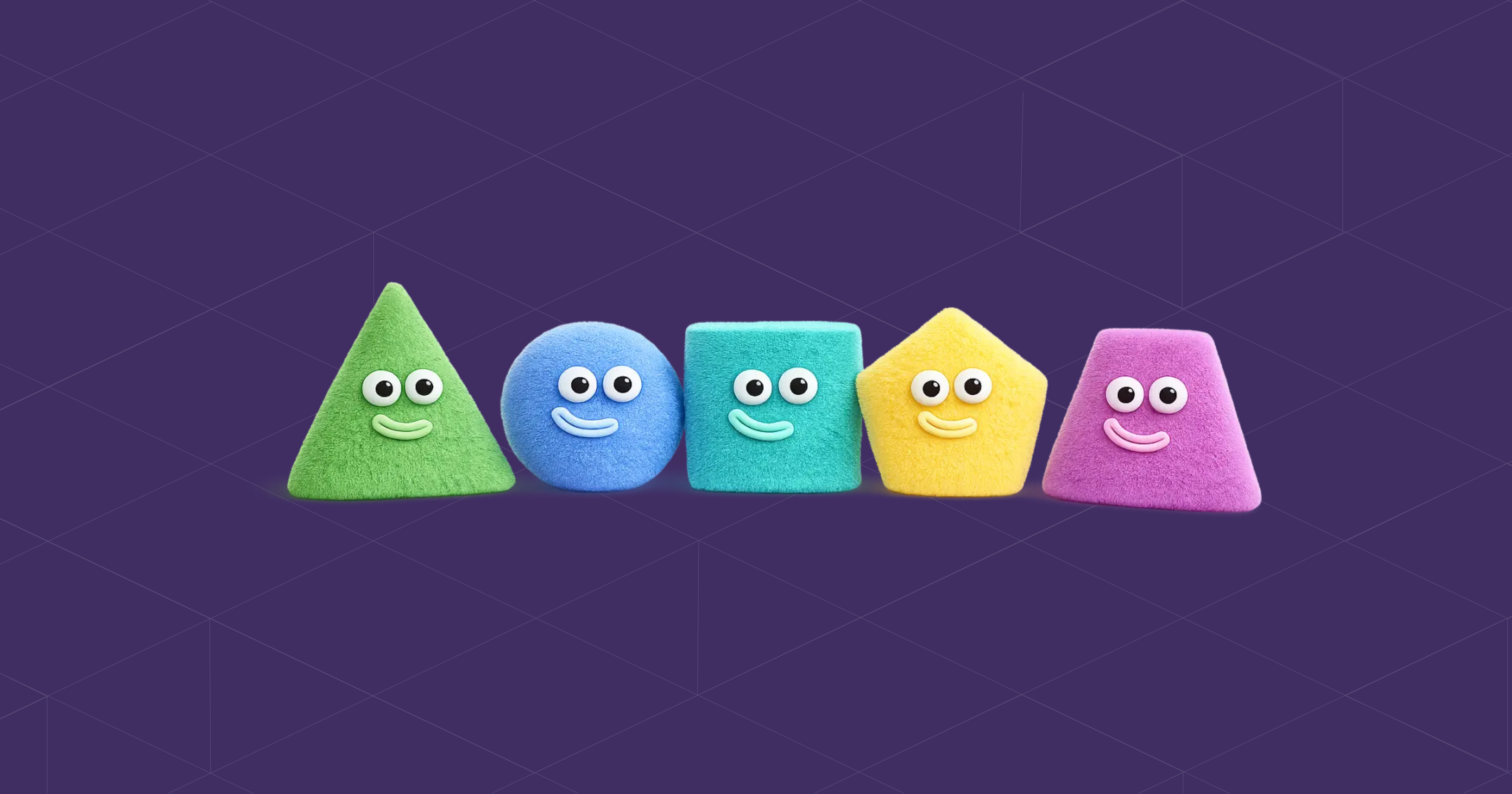
Evan is our meeting intelligence AI worker. Before any meeting — a sales call, a partnership conversation, an internal review — Evan researches every person in the room: their background, their company's recent moves, their public statements, the threads most likely to matter. It assembles a presidential-style briefing and delivers it before you walk in. You show up knowing things about the other person that they're surprised you know. The meeting changes.
The ROI here is simple: one better-prepared sales call per week, closed at a higher rate, pays for Evan many times over. More practically — your team stops winging meetings. That's worth more than the math suggests, because it compounds across every customer interaction you have.

Iris is our relationship intelligence AI worker. Your team already has the relationships needed to close most of the deals in your pipeline. The problem is nobody knows which ones, or how to activate them. Iris maps your full network, surfaces warm intro paths to key prospects, and tells you exactly who should make each introduction. The cold call is often a failure of intelligence, not effort. Iris fixes the intelligence.

Nico is our account monitoring AI worker. It watches your accounts around the clock — tracking hiring signals, funding announcements, leadership changes, and buying intent — and alerts your reps the moment something worth acting on happens. Most teams find out about a customer's big move after the fact, when it's already too late to use the information. Nico flips that. Your reps show up to the conversation first, with the right context, before your competitors even know something changed.

Nova is our lookalike discovery AI worker. After every meeting your team closes, Nova analyzes what made that customer a fit and immediately surfaces companies that look just like them. Pipeline generation today is mostly manual pattern-matching. Nova automates the pattern and executes the match at a scale no human team can replicate. Every win generates the next wave of prospects automatically.

Atlas is our CRM intelligence AI worker. It lets your team search, update, and get answers from your CRM in plain English — instantly, without switching tabs or writing a query. More importantly, it keeps the CRM accurate without anyone having to manually touch it. The CRM rot problem — stale data, missing fields, records nobody trusts — exists because updating it is friction. Atlas removes the friction. Clean data, automatically. Answers, immediately.
The ROI across all five is the same underlying math: your team spends less time on work that doesn't require judgment, and more time on the work that does. That ratio determines a lot about what a revenue team can accomplish.
What this means for your company
If you're a team of 20 trying to do the work of 50, AI workers are the most honest solution to that problem that's ever existed.
The prior answer was: hire faster, burn out your team, or drop scope. The new answer is: deploy workers for the functions that eat your team's execution bandwidth, and let your people focus on the things that require actual human judgment.
We built Zams because we believe the next wave of competitive advantage won't come from better strategy decks. It'll come from execution capacity — and the companies that expand that capacity with AI workers will outrun everyone who doesn't.
Evan and Atlas are the start. We'll be releasing more.
If you want to be among the first to use them, you know where to find us.